Bridging Indoors and Outdoors with Light and Views

Today we explore lighting and sightline strategies to extend interior spaces into the landscape, revealing how carefully balanced luminance, framed vistas, and material continuity can dissolve boundaries. Expect practical checklists, designer tricks, and stories from real patios and living rooms. Learn to manage glare, compose depth, and choreograph transitions so evenings feel expansive, welcoming, and alive. Share your questions, subscribe for updates, and show us your mockups for constructive feedback.

Setting the Foundation: Reading Space, Sun, and Site

Before specifying a single fixture, study orientation, obstructions, and interior vantage points. Track sun paths, neighboring windows, mature trees, and topography. Identify primary view corridors from sofas, sinks, and beds, then align doors, glazing, and plantings. This groundwork prevents glare, reveals hidden opportunities, and clarifies where light should invite movement and where darkness should protect privacy.

Balance Luminance Across the Threshold

At night, windows behave like mirrors if interiors are much brighter than outside. Aim for gentle ratios by dimming indoor layers while softly lighting patios, trees, or walls. Sheer curtains, darker floor rugs, and matte finishes also reduce veiling reflections, preserving views and a sense of outward reach.

Use Grazing and Wall-Washing to Pull Surfaces Forward

Grazing brick, stone, or bark highlights texture that reads across distance, while broad wall-washes make planes feel wider and closer. Combine gentle uplights on canopies with low glare in-ground accents. Together they create legible layers, deepen perspective, and guide the eye from sofa to treeline without distraction.

Framing Views: Architecture as a Camera

Think like a photographer: establish edges, align horizons, and control exposure. Low sills, corner glazing, or pocketing doors can widen the frame, while screens filter neighbors. Pair composition with lighting that reveals texture just enough to carry gaze outward, letting nighttime landscapes read as intentional, layered, and welcoming.

Compose Depth with Foreground Anchors

Place a bench, planter, or fire bowl close to the window to provide scale, then highlight it softly so the eye can jump across. Aim secondary accents into mid-ground foliage and a faint wash on distant surfaces, building a rhythm that feels natural and surprisingly spacious from seated positions.

Minimize Visual Noise

Hide bins, hoses, and equipment behind lattice or evergreen hedges, and simplify interior palettes near glazing. Conceal cords and dim charge lights that sparkle distractingly after dark. The cleaner the edges, the stronger the perceived depth, and the easier it becomes to relax into outward-looking routines.
One Surface, Two Climates

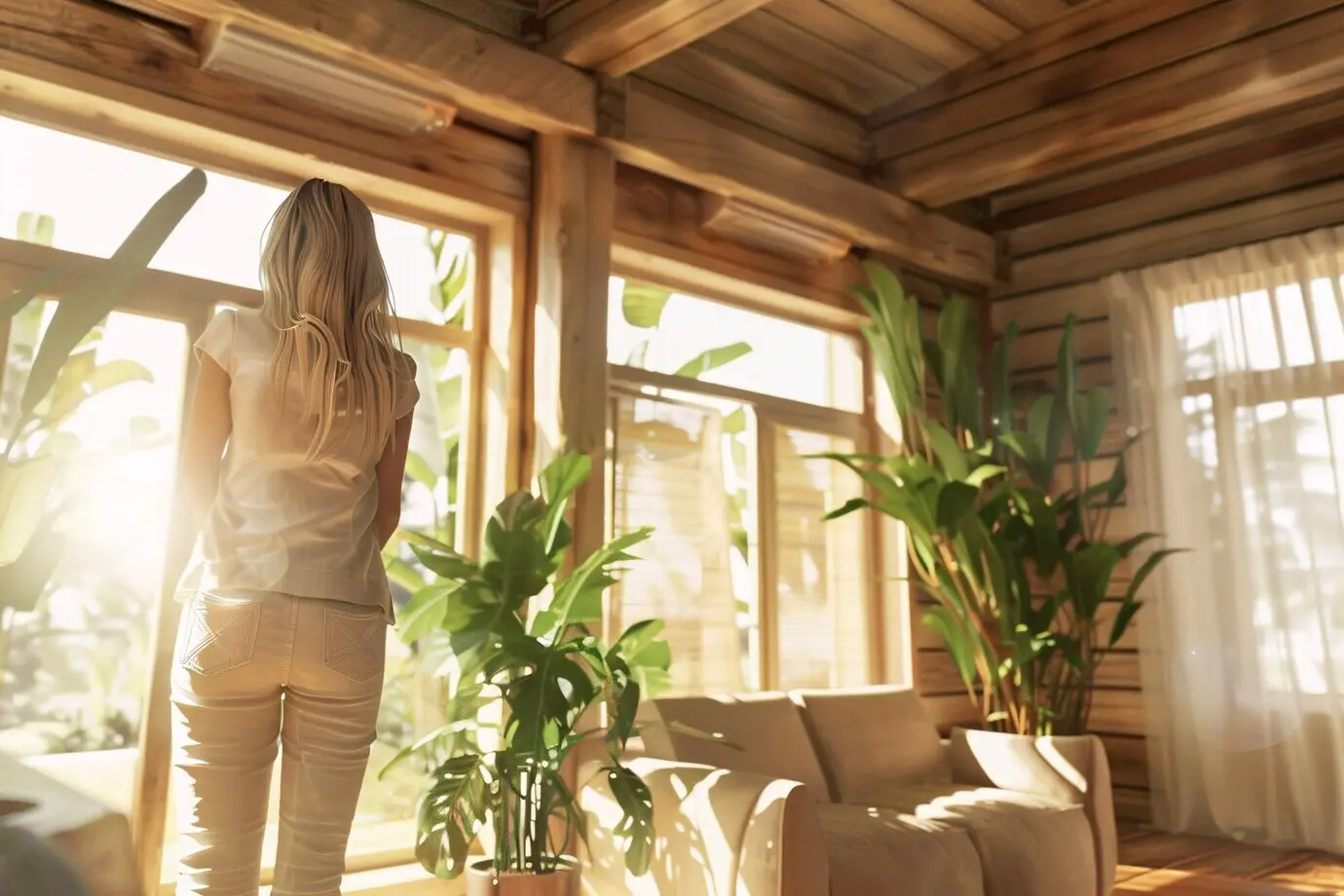
Select porcelain pavers or dense stone that matches interior planks in tone, then test slip ratings, frost resistance, and drainage patterns. Continue baseboards as shadow reveals outside, and allow for movement with joints. The visual continuity enlarges perception while durability quietly handles rain, grit, and temperature swings.

Doors That Disappear

Consider multi-slide or lift-and-slide systems with slim sightlines, robust seals, and floor-recessed tracks. Pocket heads where structure allows, and coordinate insect screens early. When open, they erase barriers; when closed, they still frame landscape moments. Good hardware ensures years of easy movement and reliable weather protection.

Subtle Cues That Guide Movement

Soft step lights, a thin handrail glow, and a barely-there path wash invite guests outward without shouting. Pair tactile cues—grain underfoot, warm thresholds—with fragrant herbs and rustling grasses. People intuitively follow light, sound, and texture, so orchestrate them to lead safely, inclusively, and delightfully across the boundary.

Planting and Night Gardens

Choose Plants That Catch Light Beautifully

Feathery grasses shimmer under low grazing beams, birch bark glows, and glossy leaves sparkle like lacquer. Silvery foliage reads even in moonlight, while pale blooms carry color after dusk. Place textural stars where interior sightlines land, rewarding casual glances with nuance, movement, and quietly theatrical moments through every season.

Design for Wildlife and Dark Skies

Favor warm sources below 2700K, shielded optics, and timers that respect nocturnal rhythms. Keep light on the task, not in the sky, and avoid uplighting where migration routes are sensitive. Native plant layers offer food and cover, turning patios into gentle night habitats without sacrificing comfort or safety.

Seasonal Drama Without Constant Maintenance

Combine early bulbs, structural evergreens, and a few showy perennials so interest rolls month to month. Choose forms that accept occasional drought and quick grooming. Thoughtful combinations tolerate wind and heat from hardscape, yet still deliver changing silhouettes that respond beautifully to evolving light levels through the year.

From Sketch to Switch: A Process You Can Follow

Prototype with Temporary Lights

Before buying anything permanent, stage scenes using string lights, clamp lamps, and painter’s tape markers. Sit, dine, and read while noting glare, shadows, and hotspots. A single evening of prototyping teaches more than catalogs, letting you invest confidently in fixtures that genuinely support the desired feeling.

Calibrate Controls Over the First Month

Live with the system through varying weather and schedules, adjusting fade times, dimming levels, and sensor sensitivity. Ask household members what feels right, then refine. Record scenes tied to sun events, and schedule seasonal tweaks so the connection outward stays consistent as foliage thickens, days shorten, or gatherings grow.

Share, Learn, and Iterate

Post before-and-after photos, note your settings, and invite comments from friends and neighbors who use the spaces. Subscribe for updates, tag your experiments, and ask specific questions. Collective insight accelerates progress, while your story encourages others to try small steps that yield surprisingly transformative results.

Zoxapixilukozelu
Privacy Overview

This website uses cookies so that we can provide you with the best user experience possible. Cookie information is stored in your browser and performs functions such as recognising you when you return to our website and helping our team to understand which sections of the website you find most interesting and useful.